
Cite this content:
Achi, Andrea Myers. "Curating through the lens of critical race studies." Throughlines. Throughlines.org/suite-content/curating-through-the-lens-of-critical-race-studies. [Date accessed].

Curating through the lens of critical race studies challenges the neutrality of museums by interrogating whose stories are told, who tells them, and who has been excluded. Achi approaches curation as an act of pedagogy. Careful curation uses exhibitions to confront power structures, reshape public understandings of history, and highlight racial and cultural complexity. By centering marginalized narratives within art history, museums can become stronger, more inclusive spaces.
Further learning
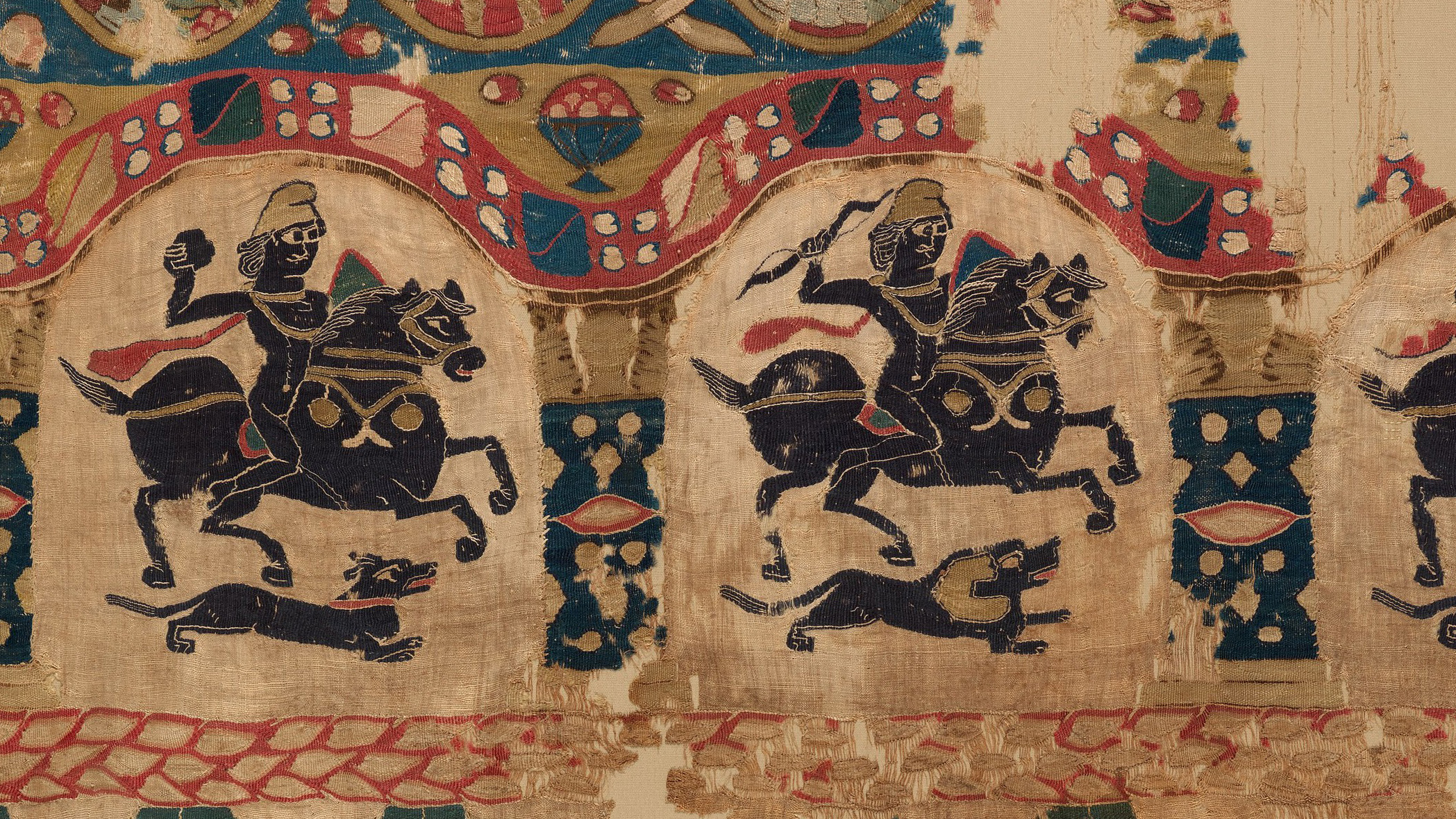
Medieval North and East African art
Medieval African art demands to be understood, not in relation to Europe alone, but as part of a wider Afro-Eurasian world. Andrea Myers Achi discusses the interconnection across medieval North Africa and the Mediterranean and Africa’s cultural exchange and influence on medieval art history.

.jpg)
-MuralpaintingContribution-1943.jpg)

