
Morgan, Jennifer L. "Reading resistance in the archive." Throughlines. www.throughlines.org/suite-content/reading-resistance-in-the-archive. [Date accessed].
Reading resistance in the archive
A methodology for finding enslaved women's perspectives in the archive of slavery
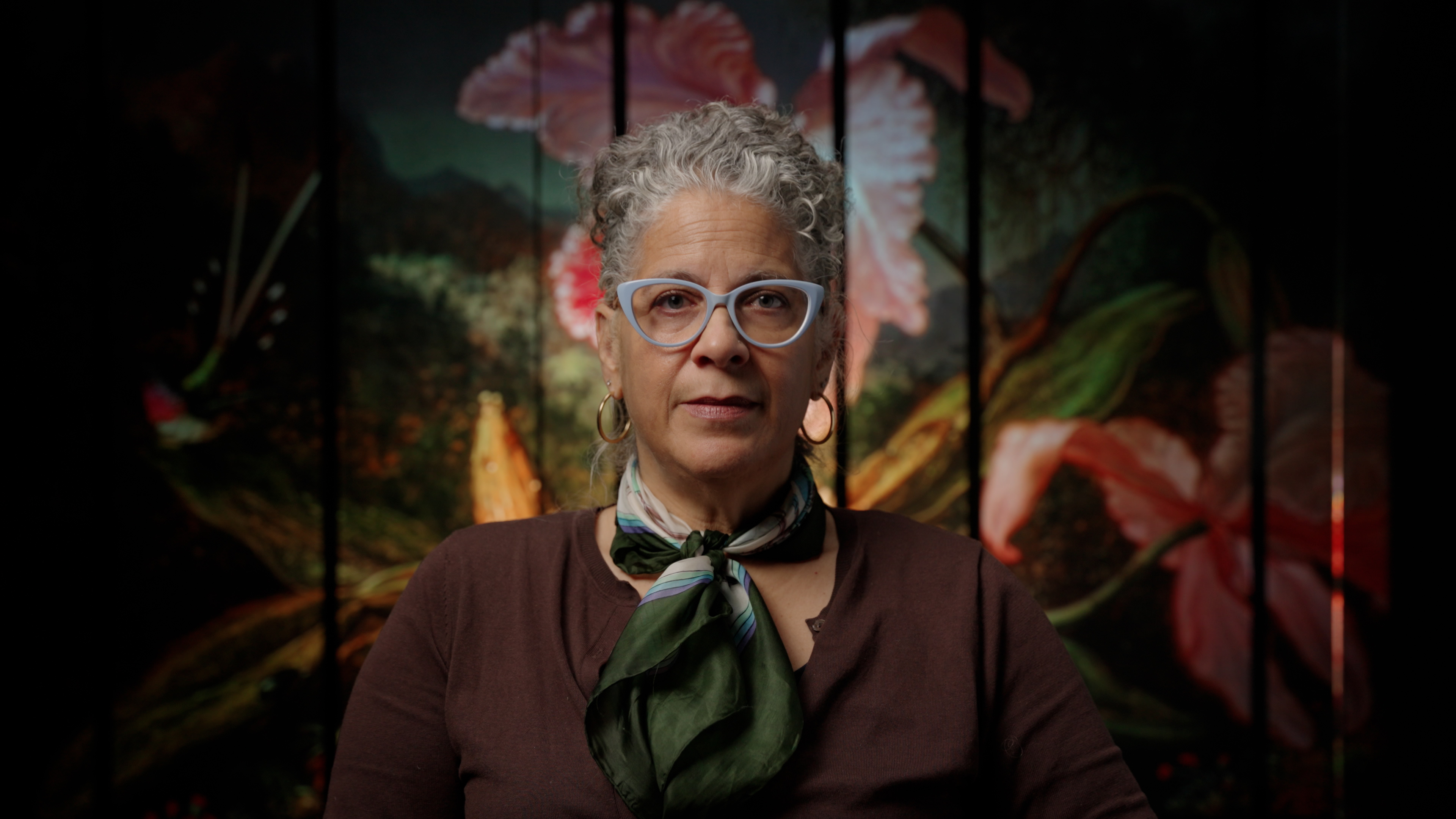
Historian Jennifer L. Morgan reads the archive of Atlantic slavery against the grain to recover what its authors worked to bury: the everyday resistance of enslaved women. Drawing on plantation ledgers, colonial infanticide law, and slave owners' own accounts from Jamaica to New York, Morgan shows how enslaved women fought the logic that reduced them to reproductive labor and marketable goods. In doing so, she models the practices of reading the historical record critical to finding the traces of enslaved women's refusal.
Morgan's approach models a skill that reaches well beyond early American history. Learning to read primary sources critically—to notice who gets counted, who gets blamed, and whose humanity the record works to deny—prepares students to interrogate any archive, from the 17th century to the present. For teachers of early modern literature, history, gender studies, and Black studies, Morgan's approach opens direct conversations about power, evidence, reproductive labor, and the resistance that shaped the Black Atlantic. It's a starting point for a question that matters in every classroom: whose stories does the record preserve and whose must we work to hear?
Further learning
Recommended

Religion, race, and sexuality
This graduate seminar examines how religion, race, sexuality, and gender have been mutually constituted across early modern, modern, and contemporary literature and thought. Through comparative readings and student-led presentations, participants analyze the theological and political forces that shape identity, difference, and hierarchy.
Black protest tradition in early African American literature
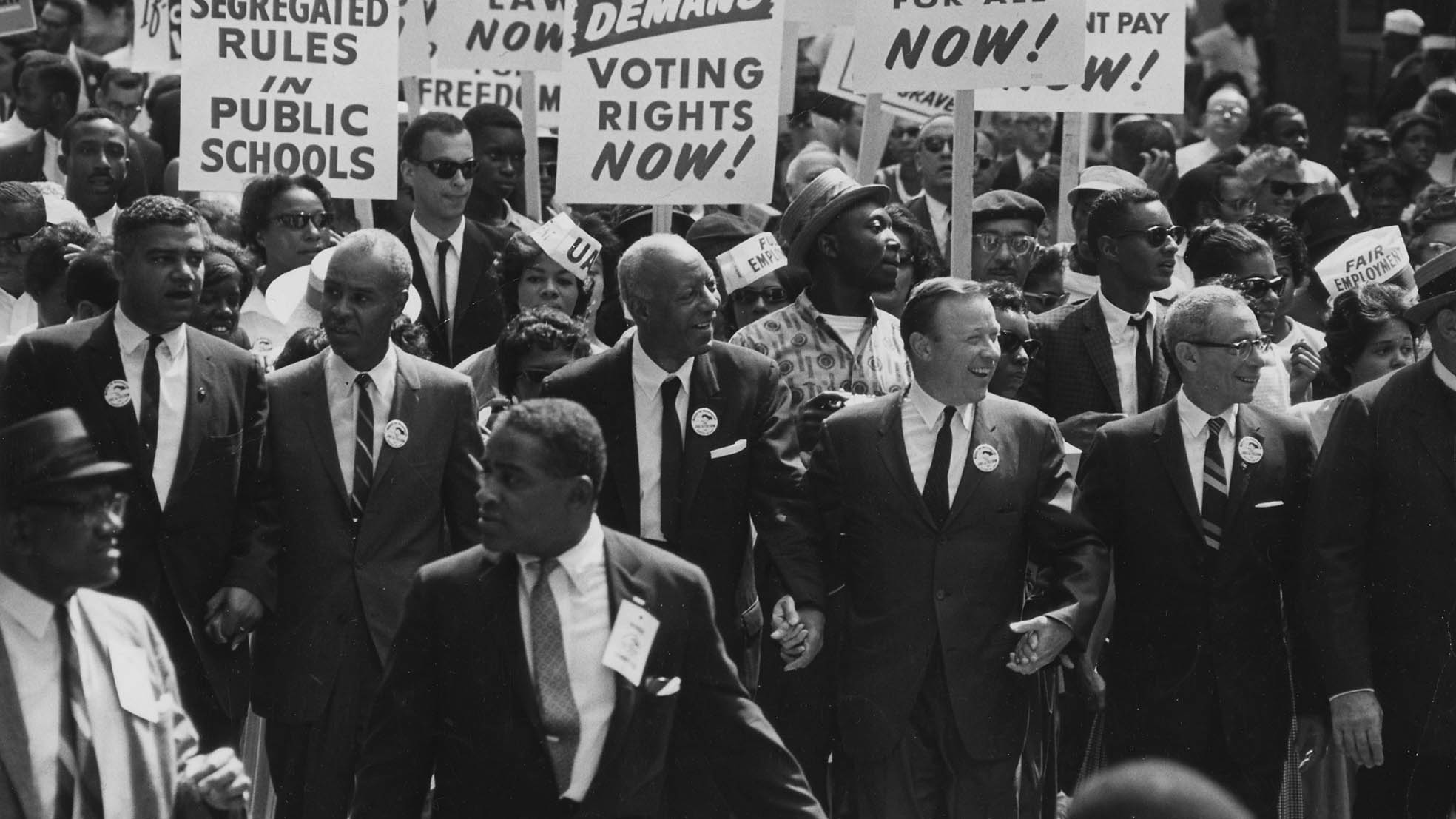
Respectability politics has long circumscribed the Black American experience and the literature produced by Black communities. This course examines some of the earliest examples of that literature to understand where, how, and why protest emerged in African American literature as a strategy to combat American racism and state-sanctioned violence.

Racialized genders in the early modern world
Abdulhamit Arvas teaches on the interwoven concepts of race, religion, and gender within early modern Europe. Travel narratives offer insights on how race and religion were gendered, and how gender and sexuality became a mark of racialization.

