Mejia LaPerle, Carol. "Shakespeare's tragedies and the construction of difference." Throughlines. www.throughlines.org/suite-content/shakespeares-tragedies-and-the-construction-of-difference. [Date accessed].

Shakespeare's tragedies and the construction of difference

Three framing questions to analyze early modern racialization
Download the transcript
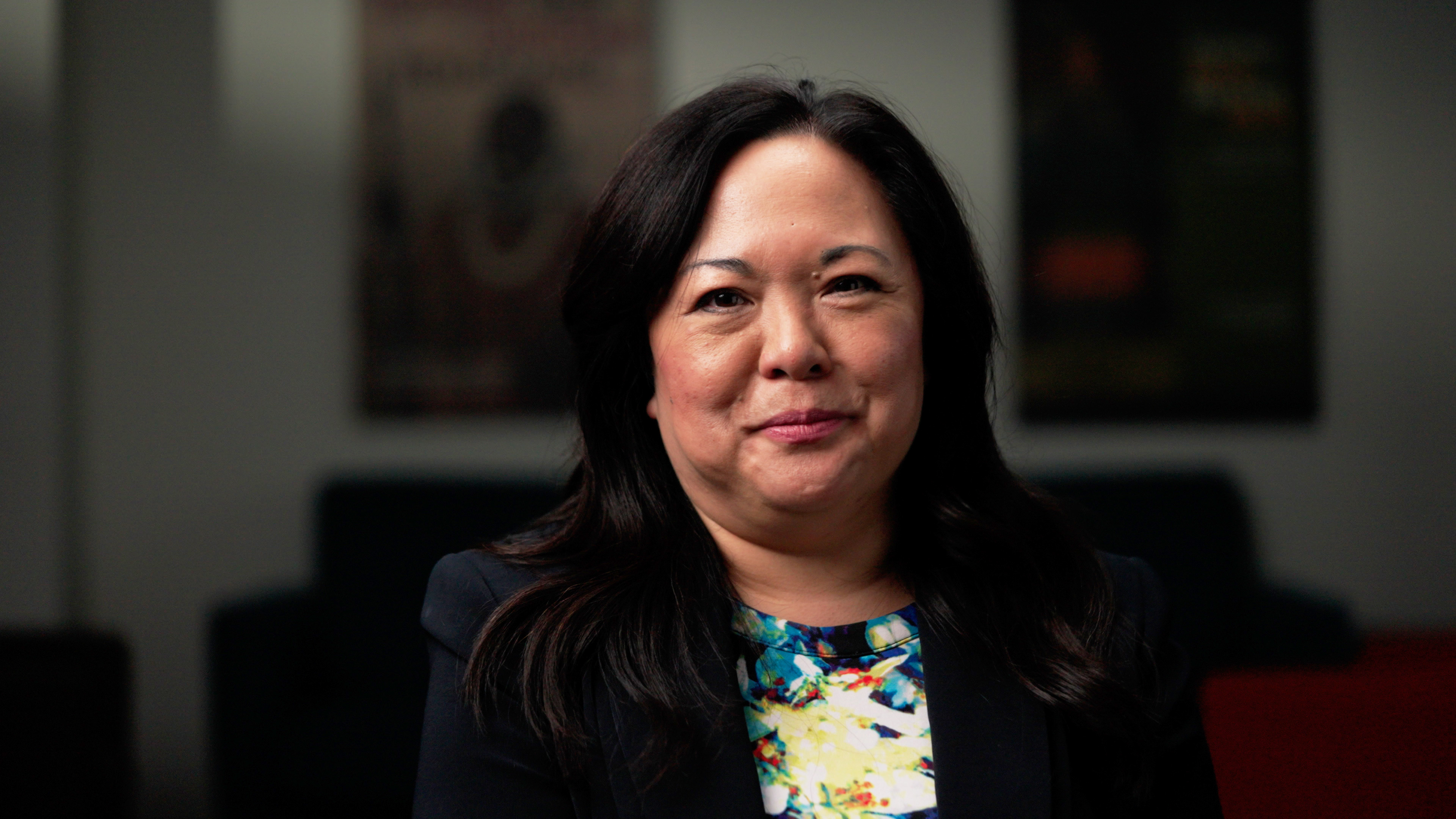
Carol Mejia LaPerle
Wright State University

Carol Mejia LaPerle offers three interpretive questions to introduce the ways early modern frameworks scaffold modes of racialization:

  • Who is friend and foe?
  • Whose power is legitimate?
  • Whose suffering matters?

By looking at Shakespeare's tragedies through these questions, students learn how early modern texts embed and develop structures of race and racial difference. These questions do more than reveal how early modern representations of evil, of legitimacy, and of suffering evoke racial difference. They invite us to dismantle the racializing logics that have perpetuated over long periods of time.
Further learning

Video

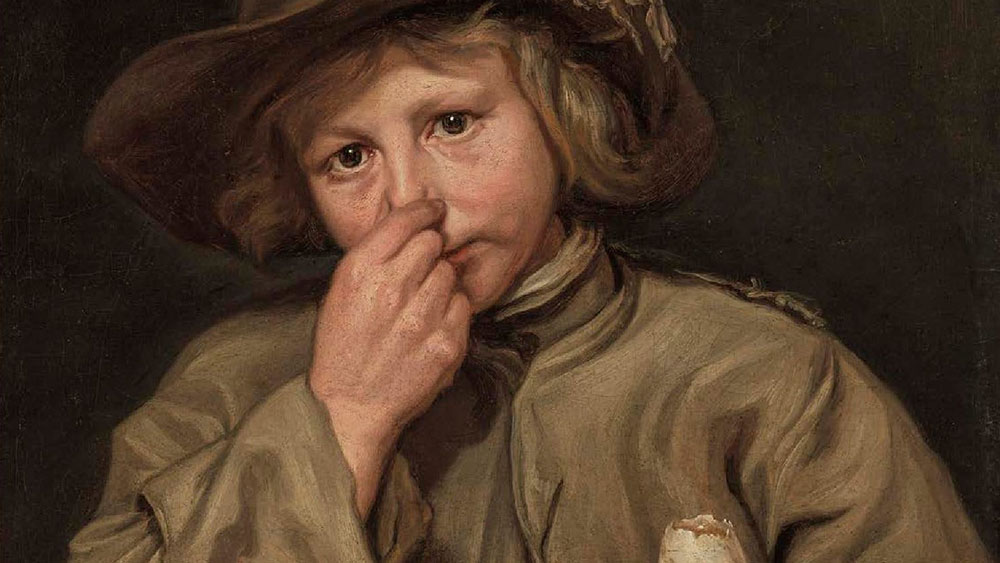
The smells of The Tempest

How does the attribution of malodorousness in The Tempest reflect the kind of judgements underpinning prejudice—the judgement that decides who does, and who does not, belong?

Carol Mejia LaPerle

Recommended

Activity

Journaling through questions of race

The journal is a place where students can engage in dialogue with themselves. This kind of reflection helps students track how their understandings of race develop over time.

Kyle Grady
Video

The cliché of race

Probing the cliché of race is a necessary moral objective and pedagogic requirement that begins by making race visible in Shakespeare’s texts to disrupt the prevalence of a destructive, convenient untruth.

Ian Smith
Video

Sexualization of Islam in Turk plays

“Turk plays” used race, religion, and sexuality to construct and enforce difference portraying Muslims, Jews, and Black people as sexually deviant or unnatural. Studying these texts reveals how early modern depictions of sexuality and race intersected.

Abdulhamit Arvas