
Ashby, Solange. “Egyptology, a field in need of reimagination.” Throughlines. www.throughlines.org/suite-content/egyptology-a-field-in-need-of-reimagination. [Date accessed].
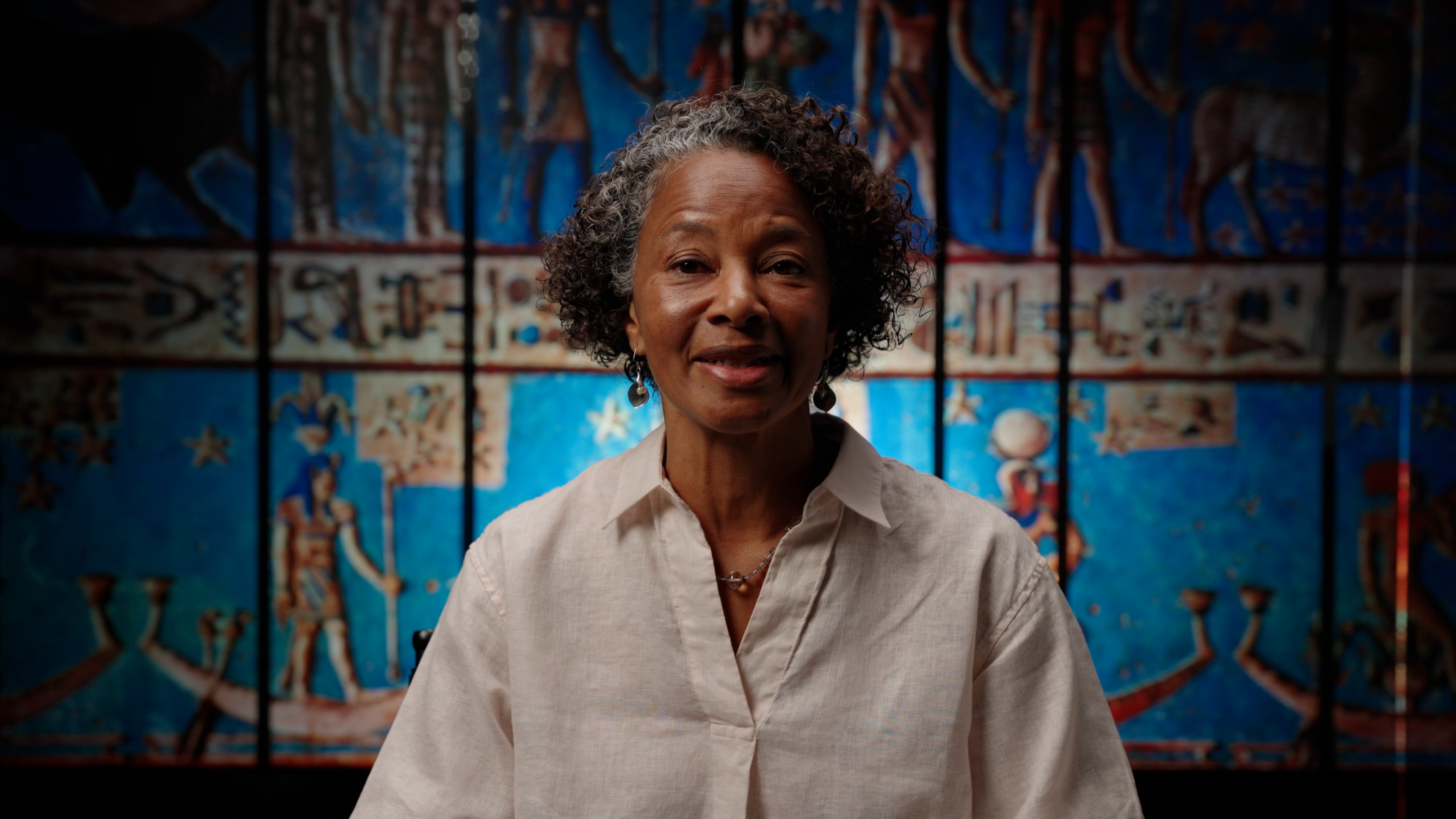
Egyptology developed in the 19th century alongside European imperialism and racial theories that sought to separate the achievements of ancient Egypt from the rest of Africa. The effects of that history remain visible in what and how scholars study, teach, and consider central to the ancient world.
The history of ancient Nubia makes those omissions especially clear. Nubian women served as priestesses, royal wives, queen mothers, and rulers whose authority shaped religious and political life across the Nile Valley. Centering Nubia does more than add an overlooked civilization to the history of Egypt. It challenges a framework that treated Africa as peripheral and brings into view the African women, religious traditions, and systems of power that helped shape the ancient Nile Valley. For Ashby, reimagining Egyptology begins by returning to what the discipline has pushed to its margins: Africa itself.
Further learning

Nubian women and the origins of Egyptian religion
Solange Ashby traces the connections through the lives of Nubian women who served as priestesses, royal wives, and ritual practitioners. By following Nubian women across thousands of years, Ashby asks us to reconsider where traditions commonly identified as Egyptian came from.
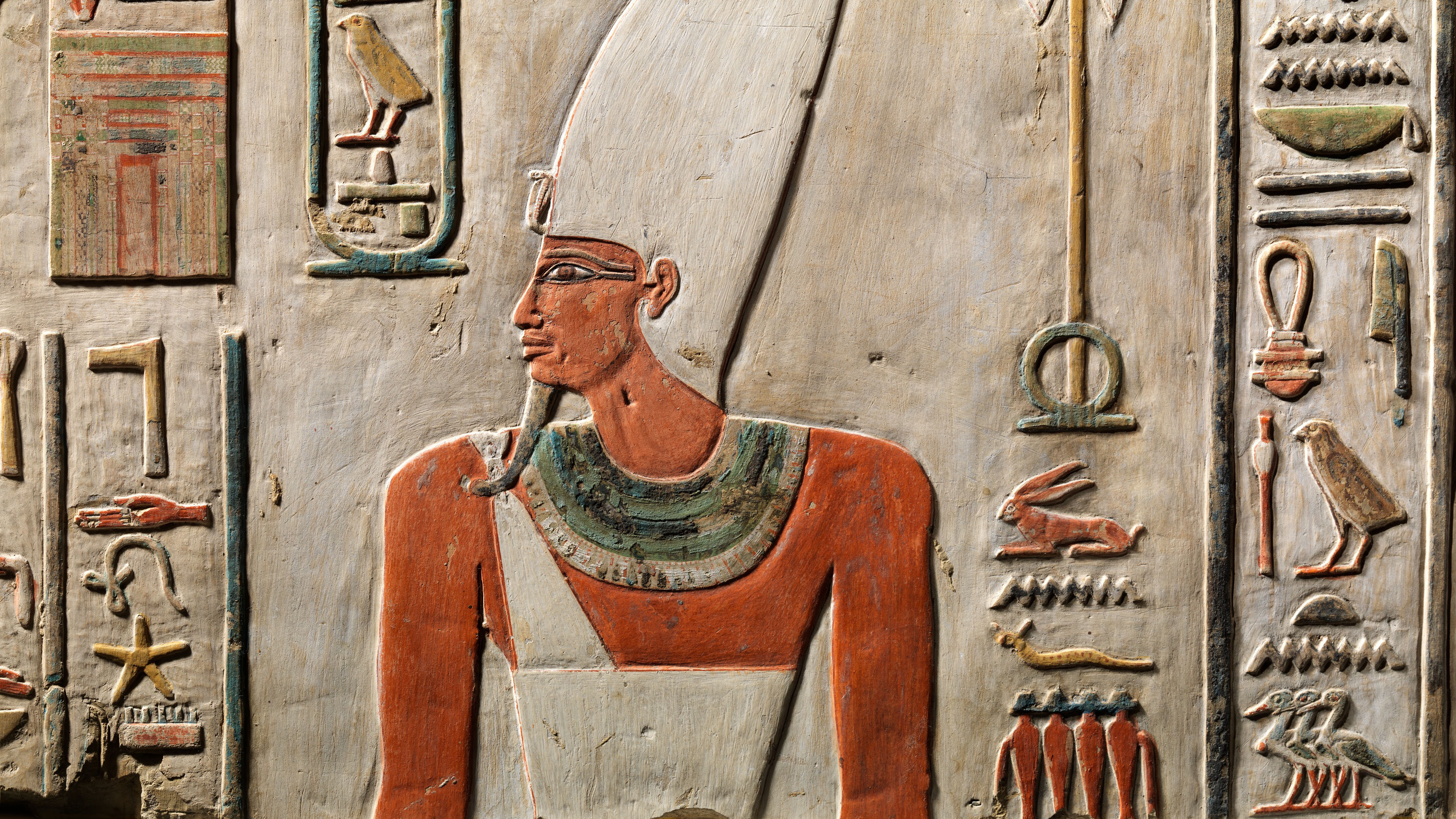
Perceptions of Blackness in the ancient world
This course explores depictions of people of African descent in antiquity beginning with the ancient Greeks and Romans, where extensive connections through trade, politics, warfare, and religious practices made the people of northeast Africa a source of fascination in Greco-Roman histories, geographies, and shared religious practices.


