
Ashby, Solange. “Nubian women and the origins of Egyptian religion.” Throughlines. www.throughlines.org/suite-content/nubian-women-and-the-origins-of-egyptian-religion. [Date accessed].
Nubian women and the origins of Egyptian religion
The Distant Goddess in the sacred south
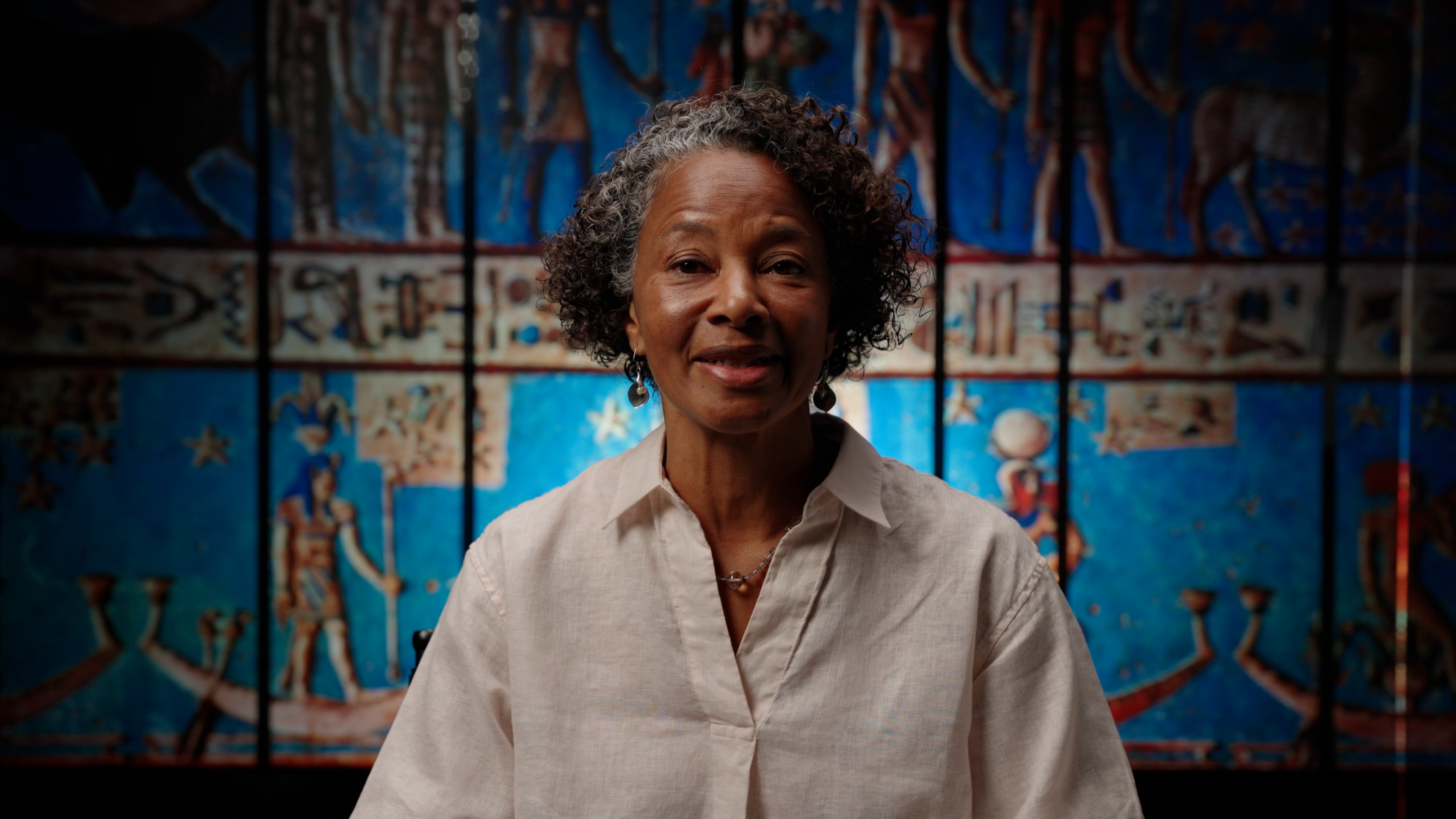
The myth of the Distant Goddess is one of the oldest extended mythical narratives from ancient Egypt, with roots stretching back to the Pyramid Texts of the Old Kingdom, nearly four and a half thousand years ago. It describes the goddess Hathor-Tefnut traveling from Nubia into Egypt. Ancient Egypt is often taught as a civilization oriented toward the Mediterranean and Near East. Solange Ashby argues that looking south toward Nubia sheds new light on that history. She shows how Egyptians themselves associated the south with divine power, from which came sacred animals, gold, incense, rituals, and religious traditions.
Nubian women served as priestesses, royal wives, and ritual practitioners whose religious authority became intertwined with Egyptian kingship. Around 2000 BCE, the Egyptian king Mentuhotep II married five Nubian priestesses of Hathor and became the first Egyptian king to call himself a "son of Hathor." Ashby’s reorientation allows students to understand Nubia not as peripheral to Egyptian civilization, but rather as the "Sacred South" at the center of the religious traditions and political authority that came to define ancient Egypt.
Further learning

Egyptology, a field in need of reimagination
Solange Ashby argues that Nubia, and the broader cultural landscape of ancient Africa, is not just a missing chapter omited from the field of Egyptology. Its exclusion helped produce the field’s basic understanding of where Egyptian civilization belonged cementing its orientation North toward the Mediterranian and Europe.
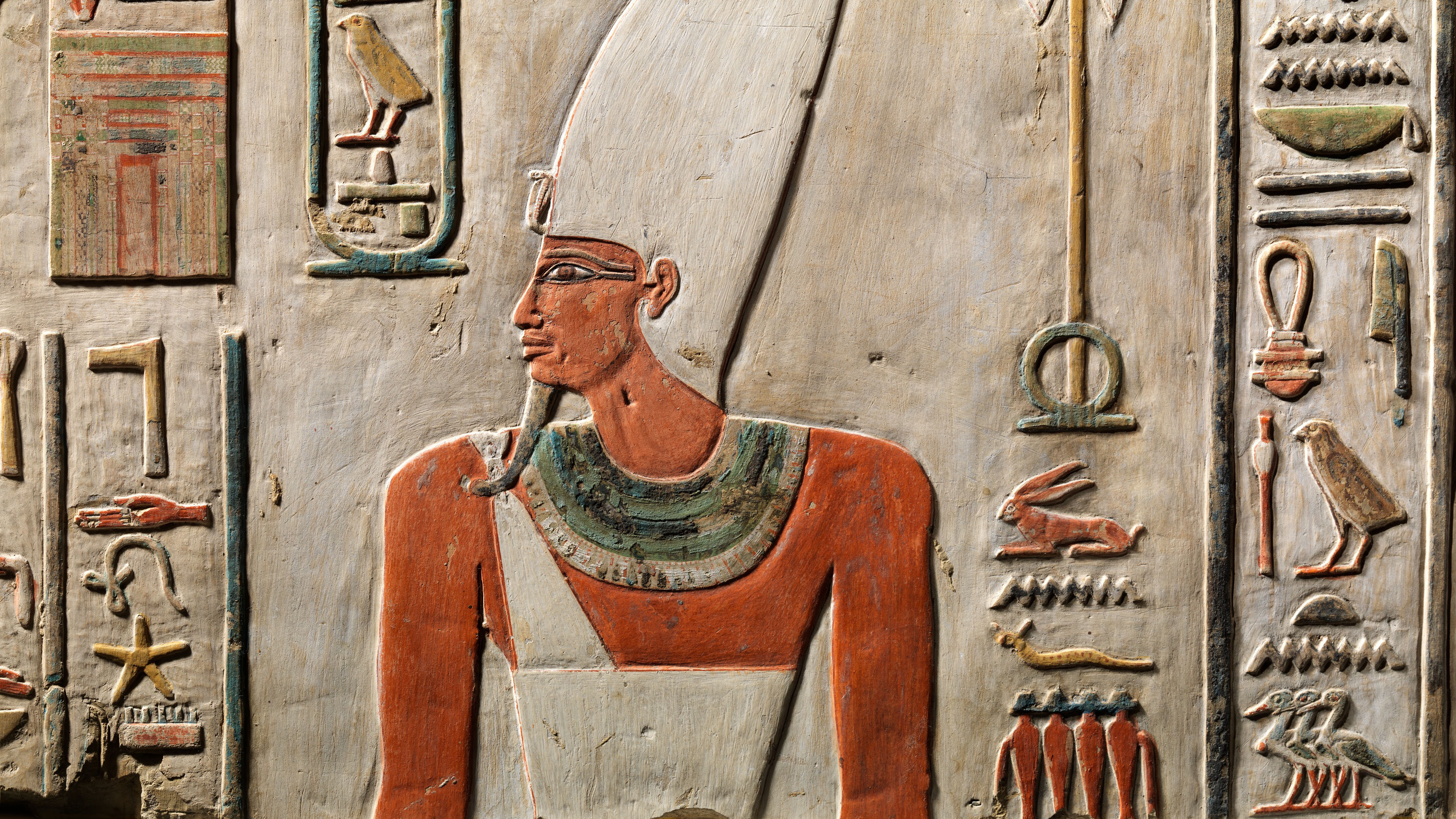
Perceptions of Blackness in the ancient world
This course explores depictions of people of African descent in antiquity beginning with the ancient Greeks and Romans, where extensive connections through trade, politics, warfare, and religious practices made the people of northeast Africa a source of fascination in Greco-Roman histories, geographies, and shared religious practices.


