
Smith, Cassander L. “Poetic voices across time.” Throughlines. www.throughlines.org/suite-content/poetic-voices-across-time. [Date accessed].
Poetic voices across time
Analyzing literary value and crafting poems that speak to the present

Introduction
Texts are often deemed literary if they speak to some universal truth that transcends time and place. We ask ourselves, “Will people find value in this text one hundred years from now?” If so, the text gets a ‘literary’ label. This assignment asks students to test out the “literariness” of the poetry of Phillis Wheatley, Lucy Terry Prince, and Jupiter Hammon.
Objectives
This assignment is designed to help students focus more closely on literature at the level of diction and denotation/connotation. By the end of this project, students should be more attuned to the ways in which words carry denotative and connotative meanings. The goal is to be more aware also of the deliberate nature of texts: writers carefully construct their messages and students should be able to mimic that process of craft. It also allows students the opportunity to engage early African American literature in a modern-day context. This assignment asks students to use ‘outdated’ prose to articulate the age in which they live.
This assignement has three parts
- Write a poem using only the diction and punctuation of early African American poets that have been read in class.
- Circulate the poem.
- Write a self-reflexive essay about the process of completing the assignment.
Part 1: Writing the poem
Craft a single poem that addresses some current event or issue relevant to today. It can be an event or issue that has occurred within or beyond the borders of the United States. In crafting the poem students must use ONLY lines taken from the poems of Wheatley, Hammon, and Prince.
- Use only lines from the poems we read in class, including the poem’s title.
- Use as many lines as needed or wanted from as many of the poems as wanted, provided they are poems read for class.
- Do NOT use more than two consecutive lines from any poem. Students cannot cut and paste entire stanzas from Wheatley or Hammon or Prince.
- Craft poems on topics about some current event or issue.
- Do not add new words, lines, or punctuation.
- Be sure look up unfamiliar words.
Part 2: Circulating the poem
Students should think about the process of getting published for Wheatley. She was interrogated by prominent Bostonians to prove she was the author of her poems. She had to go to England to get her book published.
Students should ask how will they go about sharing their work with a wider readership. Who do they want to read their poem? How will they get the poem to them? Will they charge readers or give the poem away? How will they pay for distribution, if necessary? What rewards, if any, will they reap in return? Note that part of the process here requires students to decide what ‘publishing’ means today, compared with 1775.
- Circulate the poem to a wider audience of at least 100 people.
- Provide proof of circulation. How will the students keep track of who has read their poem?
- Think about publishing and circulating in broad terms.
Part 3: Writing a self-reflexive essay
The final part of this assignment is for students to write a 500–1000-word self-reflexive essay about the experience of using early African American poetry to articulate our current moment. In the essay, students should reflect on the process of completing the assignment. They can address questions like:
- Why did you make certain choices when crafting the poem, and when creating a publication plan?
- What kinds of obstacles did you encounter and how did you overcome them?
- What did you learn about diction and how messages are crafted?
Further learning
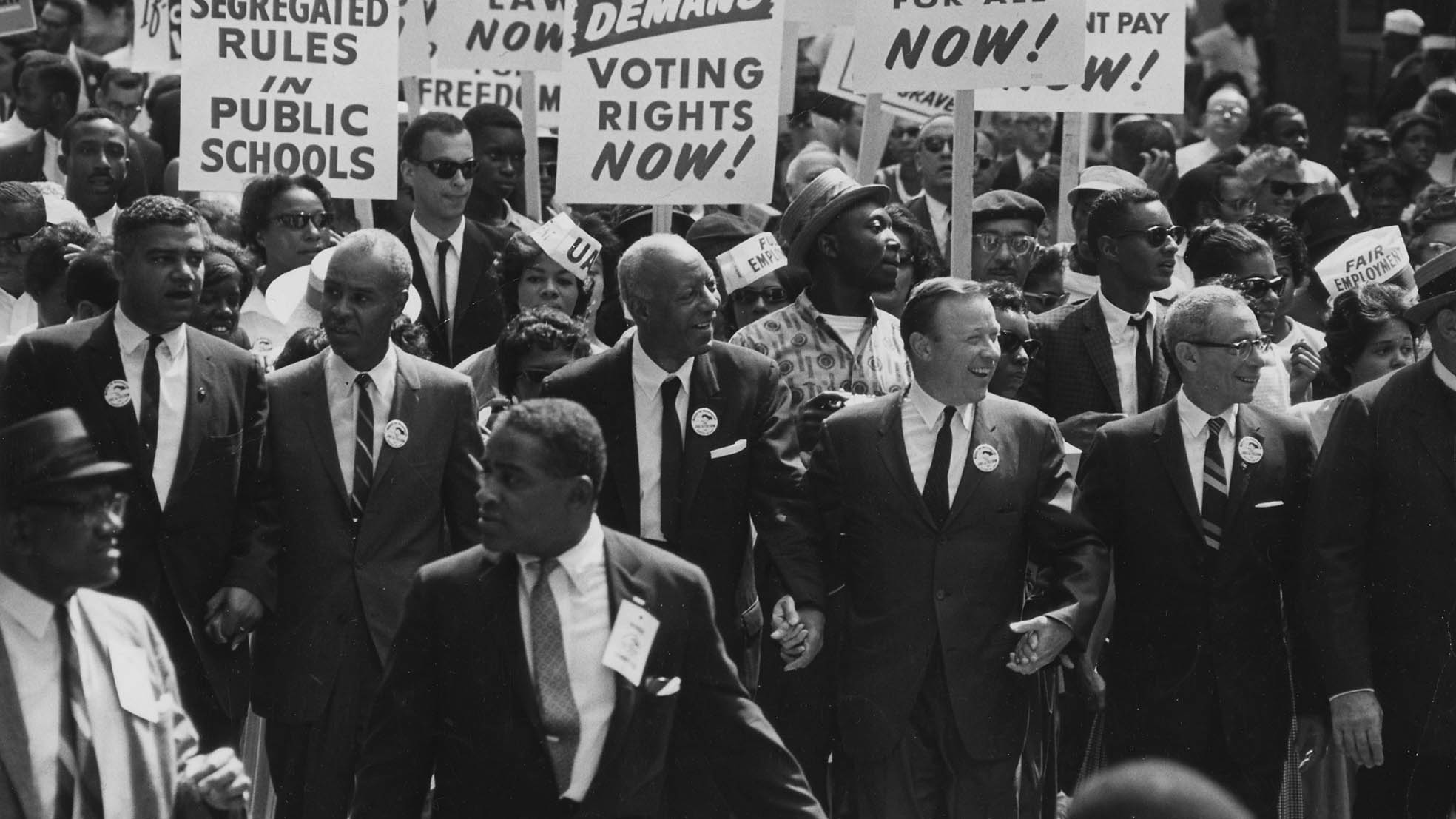
Black protest tradition in early African American literature
Respectability politics has long circumscribed the Black American experience and the literature produced by Black communities. This course examines some of the earliest examples of that literature to understand where, how, and why protest emerged in African American literature as a strategy to combat American racism and state-sanctioned violence.
-DrawingExtraordinaryappearances-2%20August%201797.jpg)

Recommended

%2C_plate_V_-_BL.jpg)
Cultures and contexts in the Black Atlantic
Moving from the 15th century to the present, this course brings together history, literature, and criticism to trace the histories of Africa, Europe, and the Americas. Through foundational texts and critical questions, students will explore how the legacies of the Black Atlantic continue to influence ideas of race, freedom, memory, and justice.


