
Smith, Cassander L. “Provocation questions.” Throughlines. www.throughlines.org/suite-content/provocation-questions. [Date accessed].
Provocation questions
"Intelligence is not knowing the answers but asking the questions" — Maya Angelou
In her teaching, Cassander L. Smith regularly includes multiple opportunities for students to craft questions as well as answer them. Her approach requires students to challenge assumptions and invite explorations by providing a background statement and reasons that the question matters. She builds on students’ provocative questions further in writing and reflection assignments.
Using provocation questions as the basis for writing and reflective prompts
These two writing assignments are designed to give students practice in asking open-ended questions that produce avenues for further research. The goal is to pose one or a series of related ‘provocation’ question(s) about early American literature and culture based on an initial reading of Cooper’s Last of the Mohicans.
Prompts should not simply present the question(s). They should also provide a premise or background information about how/why the student is asking that question(s). For example, what in their reading of Cooper’s novel led them to their line of inquiry? They can point to key quotes/passages from the text. What are the stakes of finding answers to the question(s)? How might this line of inquiry change current conceptions of Cooper’s text and/or of early America?
Students do NOT have to answer the question(s) they pose. This is an exercise in exploration and contemplation. At the end of the semester, students are asked to revisit their exploratory prompt.
Students revisit their question or questions
After having discussed early American literature and several secondary sources, students should ask themselves, how has your thinking about your initial question(s) changed? How might the other readings help arrive at an answer to their question(s)? How might the sources complicate their questions(s) or create new questions? This is a self-reflective exercise that asks students to apply their budding expertise in early American literature to begin formulating answers to their questions.
A model of a provocation question
This example provocation question is based on Olaudah Equiano’s slave narrative. Note the format and the buildup to the actual question. Provocation questions should do more than simply ask a question. These questions should lay out a logic for reasoning. Questions should include background and an explanation for how the student arrived at their question. Provocation questions should also want to mention the stakes of the question, and why their line of inquiry matters in a larger context.
Benjamin Franklin has been deemed the quintessential self-made American, embodying in his Autobiography all the mythical characteristics that make this country a great nation, a land of opportunity. His narrative has been upheld as a model of the opportunities available to any person striving toward virtue and diligence. He Americanizes the myth of the self-made man, a myth of regeneration in the New World. His story of self-made manhood is quite similar to that of Olaudah Equiano, who also tells a story of diligence and virtue. And although he has been adopted into the American literary canon, Equiano did not identify himself as American and spent very little of his life on American soil. Given that these two men offer very similar stories of self-construction, in what ways might Equiano’s narrative trouble the notion of self-made manhood as an American phenomenon, given that most of his rise occurs on the sea? Does it matter that his narrative precedes Franklin’s? What is his position in American literature? And how does this discussion change if we consider Vincent Carretta’s recent scholarship that argues Equiano was born in South Carolina? How would a comparison of Franklin’s and Equiano’s narratives change how we conceive self-made manhood as an American construction, an American myth?
Further learning
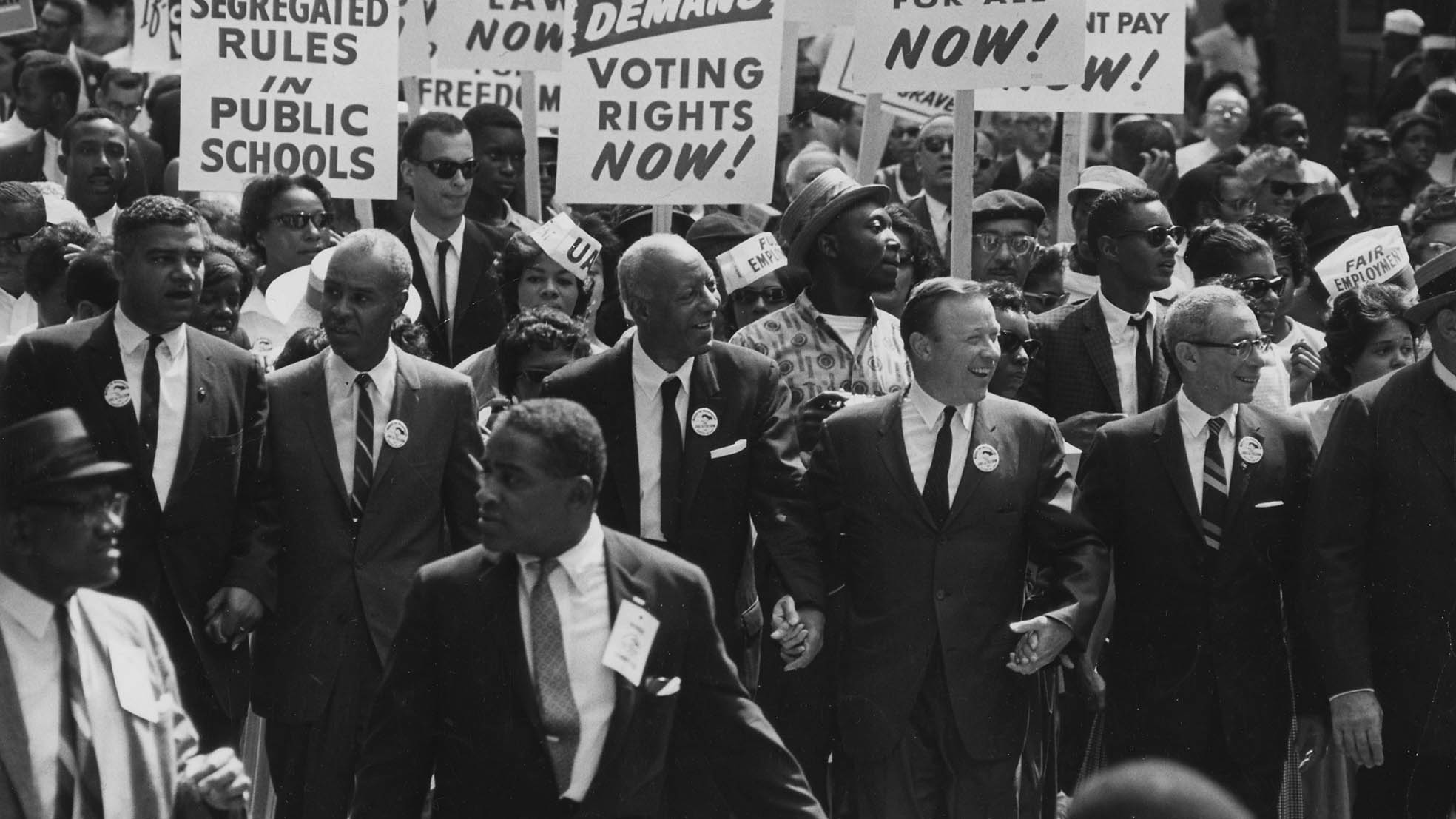
Black protest tradition in early African American literature
Respectability politics has long circumscribed the Black American experience and the literature produced by Black communities. This course examines some of the earliest examples of that literature to understand where, how, and why protest emerged in African American literature as a strategy to combat American racism and state-sanctioned violence.
-DrawingExtraordinaryappearances-2%20August%201797.jpg)

Recommended
%2C_plate_V_-_BL.jpg)
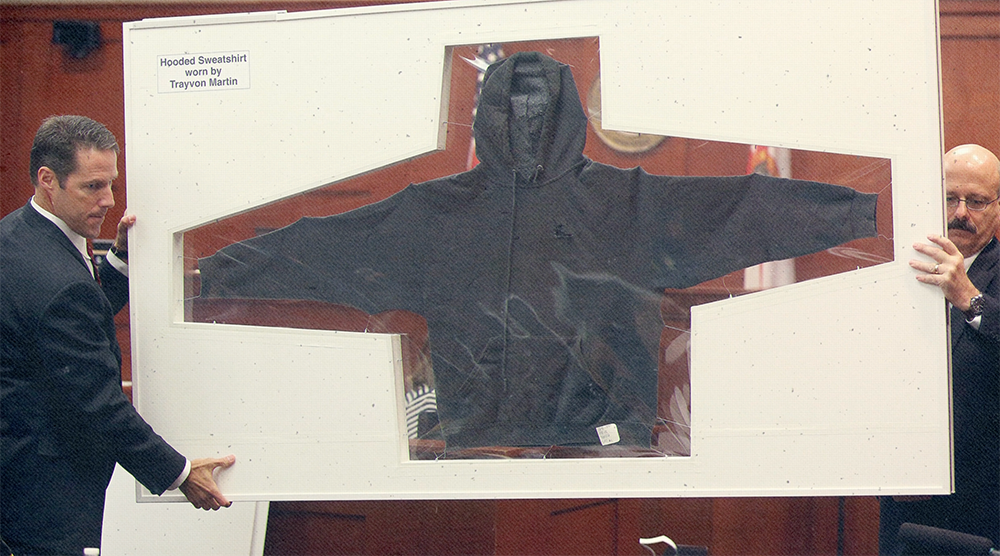
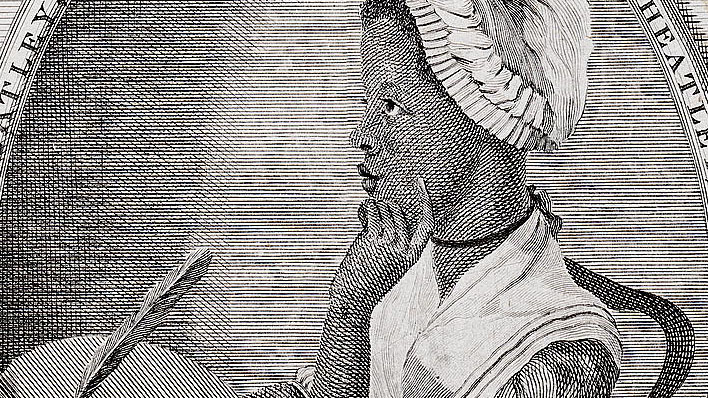
Cultures and contexts in the Black Atlantic
Moving from the 15th century to the present, this course brings together history, literature, and criticism to trace the histories of Africa, Europe, and the Americas. Through foundational texts and critical questions, students will explore how the legacies of the Black Atlantic continue to influence ideas of race, freedom, memory, and justice.
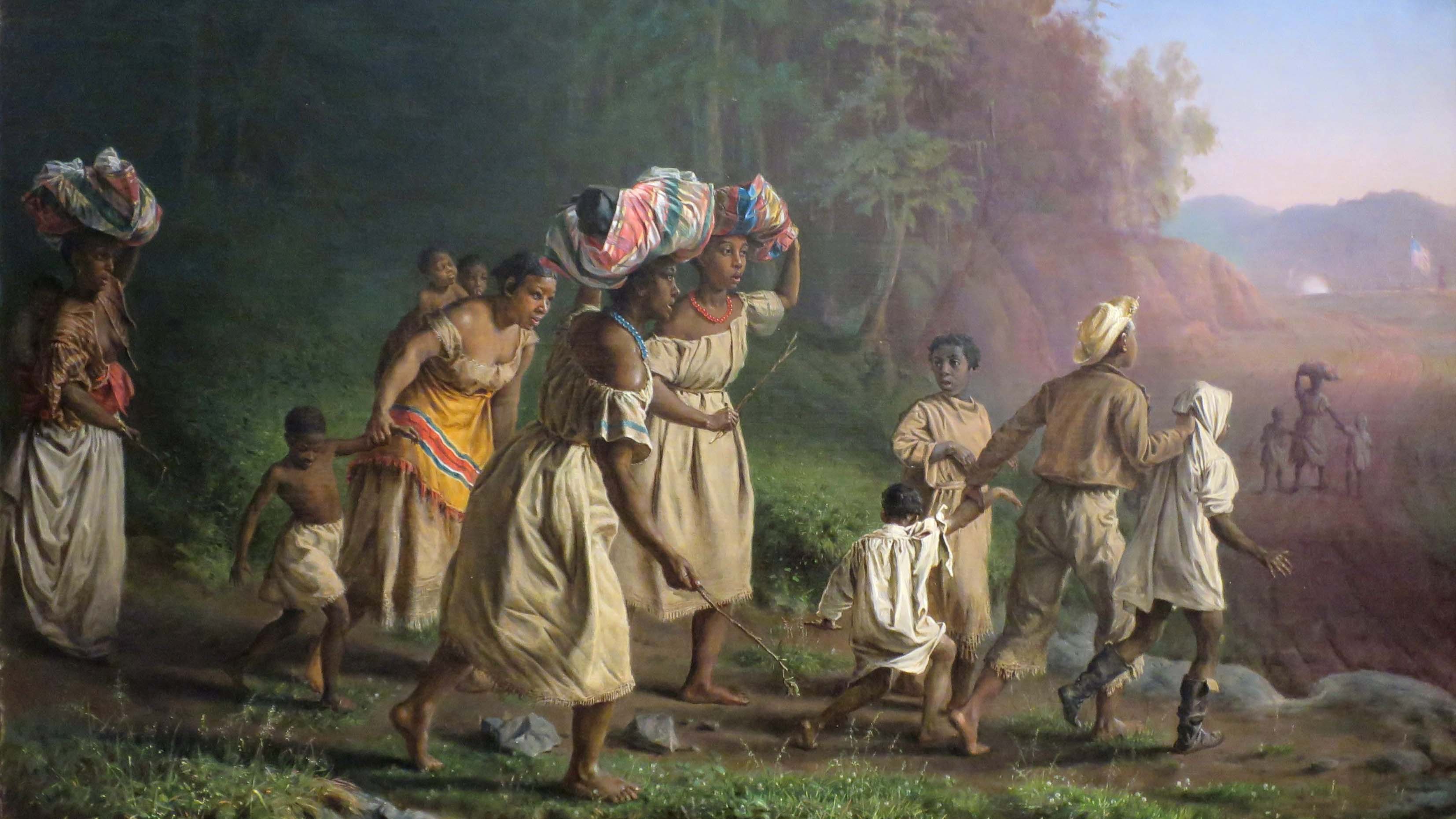
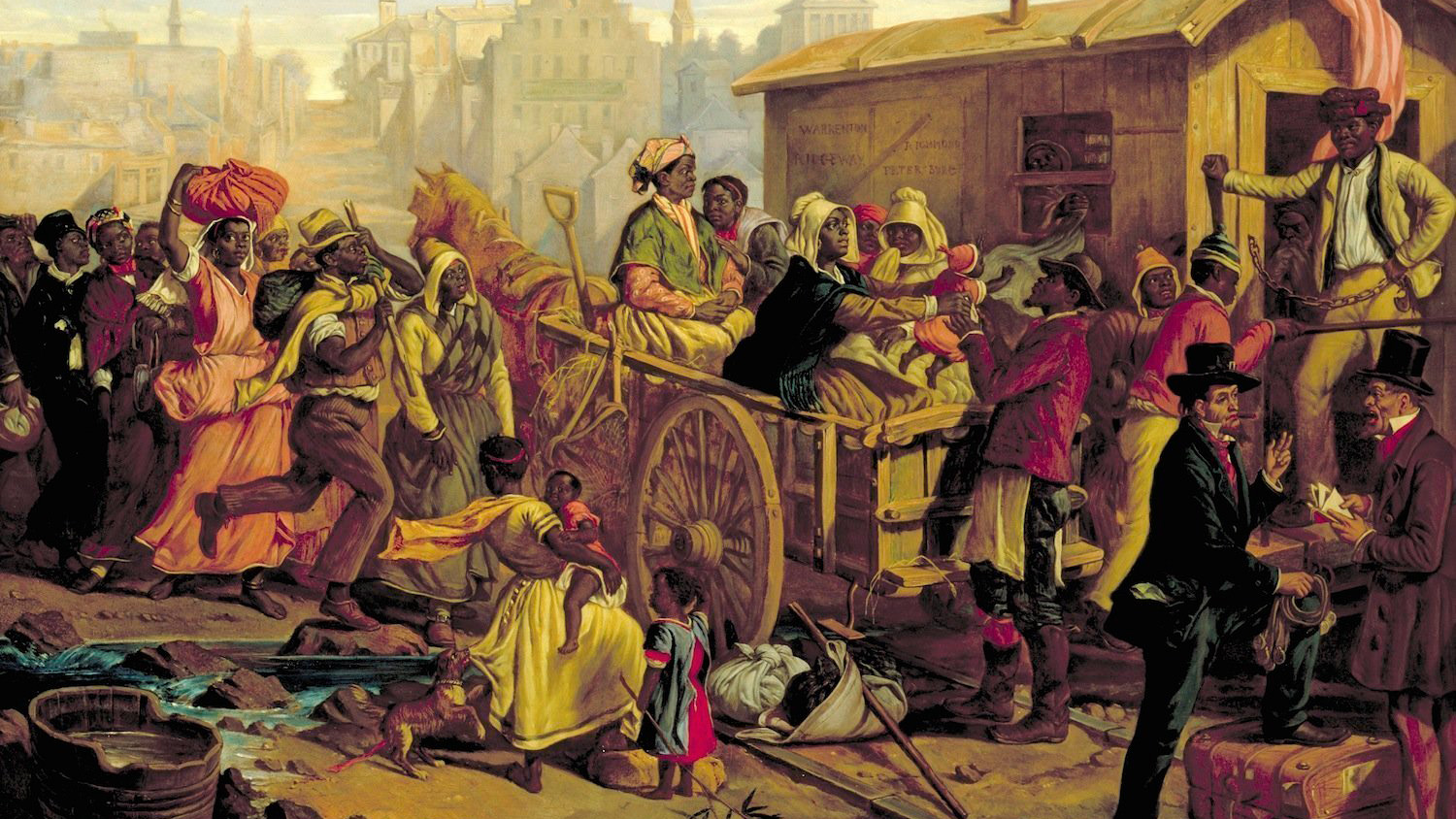
Slavery history, metaphors, and meaning
The history of slavery shaped the economic, political, and cultural foundations of the modern world. This syllabus explores how historians study slavery through archives, material culture, and critical theory, while examining the enduring legacies of enslavement in questions of race, capitalism, memory, and justice.

