
Kao, Wan-Chuan. "Piers Plowman and whiteness in Passion plays." Throughlines. www.throughlines.org/suite-content/piers-plowman-and-whiteness-in-passion-plays. [Date accessed].
Piers Plowman and whiteness in Passion plays
What the performance history of medieval Passion plays teaches us about whiteness
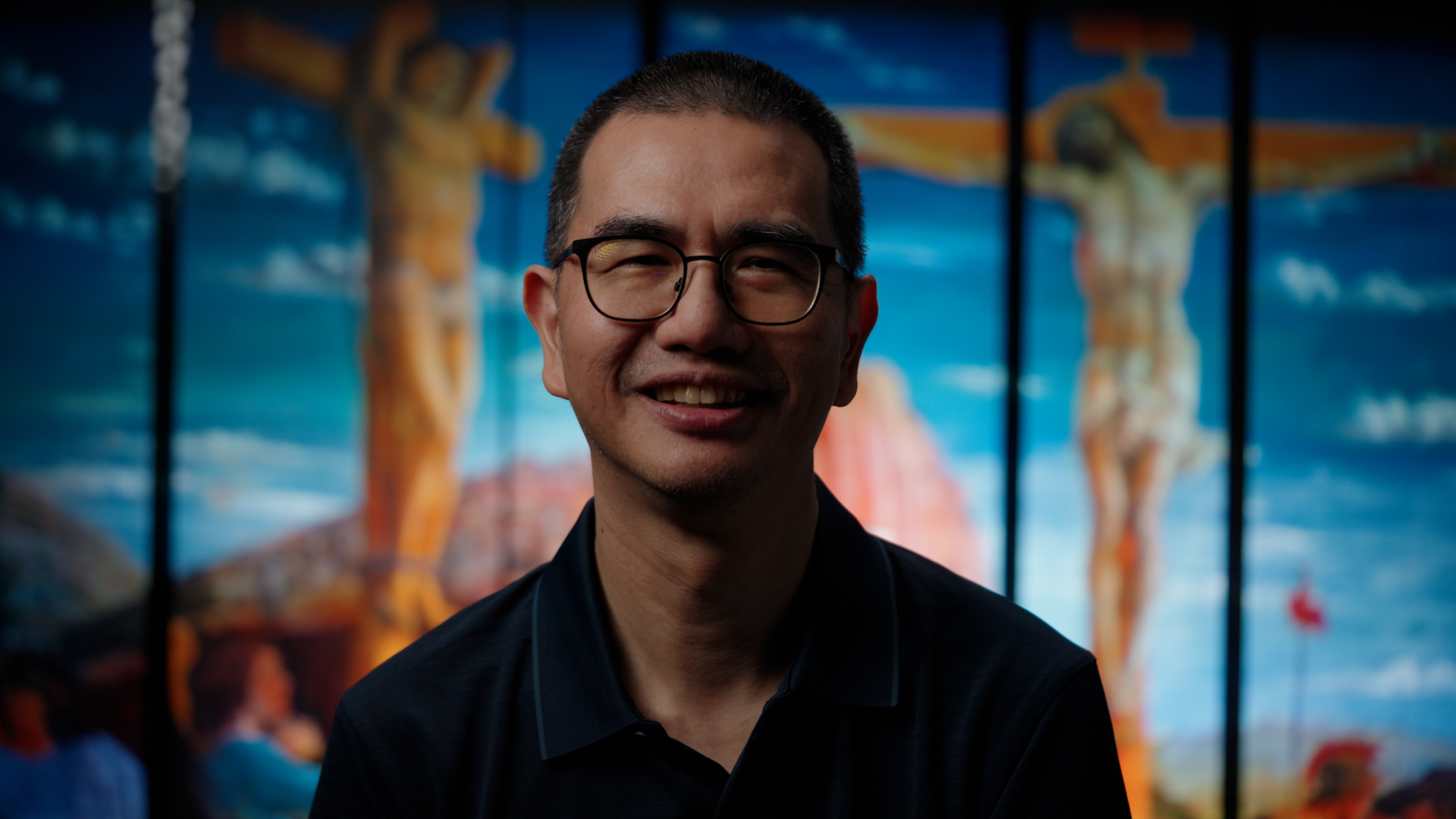
Wan-Chuan Kao reads "Passus XX" of William Langland's Piers Plowman alongside the performance histories of medieval Passion plays that would have been very familiar to Langland's readers. At the center is the whitlether suit: the off-white leather costume an actor wore to play the crucified Christ. By tracing what that costume looked like, what it signified, and how it worked onstage, Kao shows how medieval drama built a shared vocabulary of racialized binaries—black and white, damned and blessed—that shaped early beliefs about identity and racial difference.
It's a compact, teachable case study in premodern critical race studies and a strong entry point for anyone teaching Piers Plowman, Middle English literature, medieval drama, or the long histories of racialization. The bigger takeaway reaches well past medieval studies: whiteness in the premodern world was never a single thing, and never simply about the color of skin. Following the whitlether suit from the stage into Langland's poem reveals how whiteness was crafted as a fantasy of salvation and belonging, built on the precarity of others. Here, students and teachers can find a longer view of how racial difference gets constructed, and a new critical lens for recognizing the same patterns that still shape our world.
Further learning

The lap of whiteness in The Squire's Tale
In Chaucer's The Squire's Tale, a woman spreads her skirt to catch a falling falcon, all while setting a quiet lesson about whiteness in motion. Wan-Chuan Kao dives into Chaucer's imagery to show how empathy can be a lens for understanding and a tool of racialization.
.png)

Recommended
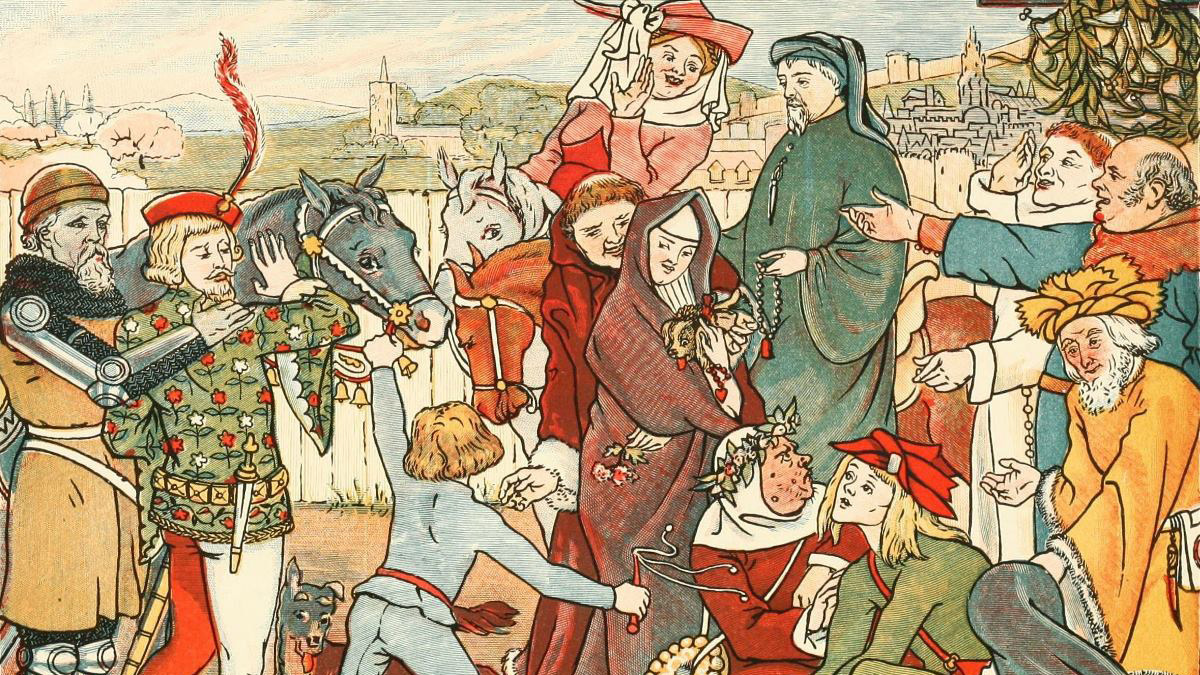
Chaucer adaptations in the classroom
Modern adaptations can transform the way students read Chaucer. These classroom activities pair The Canterbury Tales with contemporary poetry, performance, and translation to help students explore how race, language, identity, and belonging shape both medieval texts and their modern reinterpretations.


