
Thompson, Ayanna. “Race and empire in Titus Andronicus.” Throughlines. www.throughlines.org/suite-content/race-and-empire-in-titus-andronicus. [Date accessed].
Race and empire in Titus Andronicus
The unapologetic Black pride of Aaron the Moor
.jpeg)
Aaron the Moor lives at the heart of Titus Andronicus. His actions drive the plot while revealing the racial logic of the play’s imperial world. Both shaped by and resistant to racist ideologies, Aaron demonstrates a striking awareness of how Blackness is vilified, even as he asserts a form of Black pride and endurance. His role as a father, particularly in his efforts to protect his child, offers a model of care that contrasts sharply with Roman patriarchal norms. Through Aaron, the play raises unresolved early modern anxieties about race, empire, and morality.
Further learning
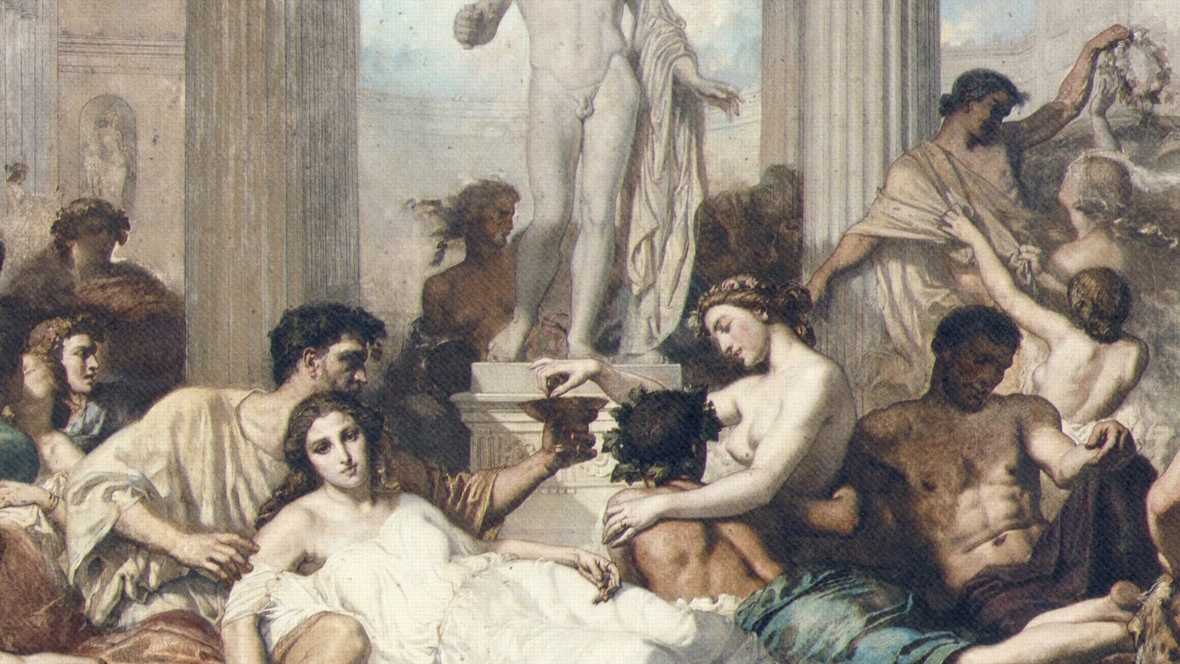
Indecorum and empire in Titus Andronicus
The gore, violence, and revenge fantasy depicted in Titus Andronicus is usually the first (and sometimes last) thing that people talk about. But it's rarely examined to understand the diliberate questions at stake in the play. Namely, what does it mean for a society to cease to behave decorously?
.jpg)
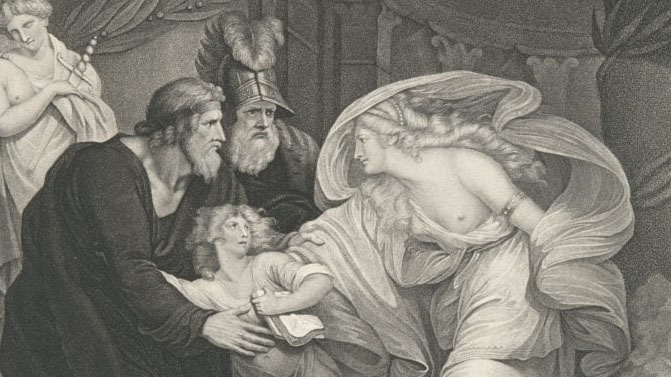
Titus Andronicus as the gateway drug
Students believe they know what Romeo and Juliet or Hamlet or Macbeth mean, but rarely do those “meanings” stem from the students’ close engagements with the texts. Using Titus Andronicus at the beginning of any Shakespeare class forces students to experience Shakespeare anew.

.jpg)


