Heng, Geraldine. "Premodern race as a critical canon." Throughlines. www.throughlines.org/suite-content/premodern-race-as-a-critical-canon. [Date accessed].

Premodern race as a critical canon

When did you first become aware of race?

Download the transcript
Geraldine Heng
University of Texas, Austin

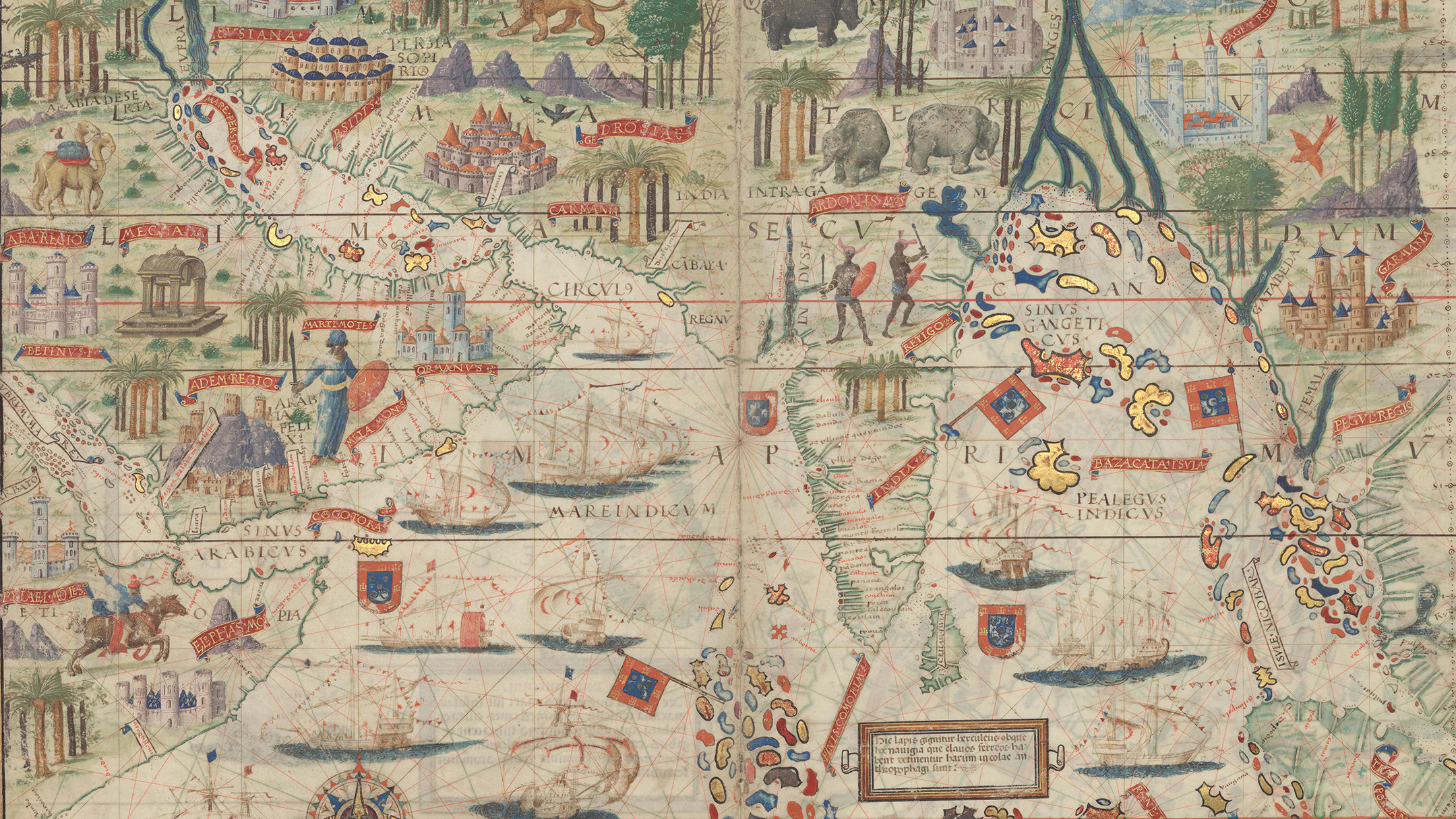
Geraldine Heng is an influential, field-crossing scholar and one of the founding theorists of premodern critical race studies. Her classes on premodern European literature offer a critical understanding of the histories of race-making, all while supporting students to conduct interdisciplinary research that interrogates the social and cultural mechanisms of race in their everyday lives. Here, Heng offers a glimpse into the texts she teaches and her collaborative approach to student assignments. She identifies a new path forward for premodern European literature—one that is a provocation for our world today.

Further learning

Video

Teaching early global literatures

Teaching global literatures rooted in the premodern world challenges the fantasies about the past many of our students have inherited.

Geraldine Heng
Activity

Collaborative student research

A multidisciplinary and student-centered approach for early modern professors, inspired by Geraldine Heng’s Teaching Early Global Literatures and Cultures.

Geraldine Heng

Recommended

Video

Race in Spenser’s The Faerie Queene

The genre of epic has significantly defined what Muslims are in the white European imagination. Spenser’s allegory helps make racist tropes “stick” to Muslim bodies. 

Dennis Britton
Video

Blackness as metaphor

The history of racial construction is long and non-linear. Unpacking Blackness within medieval epics, and examining how Black characters are treated in these stories allow us to see how medieval Europe used Blackness as a rhetorical tool.

Cord J. Whitaker
RaceB4Race Highlight

Academic complicity in racist medievalisms

Eduardo Ramos examines whiteness in medievalism and its connection to medieval studies. Scholars in the field today have a responsibility to address the “sins” of their academic forefathers.

Eduardo Ramos